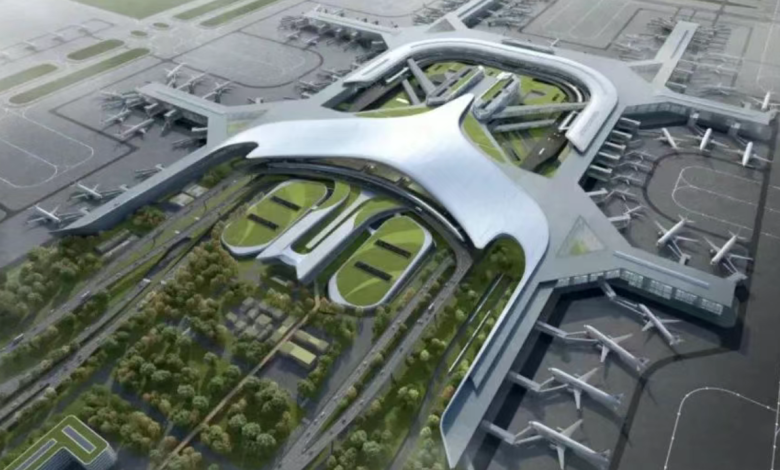
Introduction to Suzhou General Airport
Suzhou General Airport is an upcoming aviation hub located at the border of Shajiabang Town (Changshu District) and Bacheng Town (Kunshan). Covering 75.8 hectares, this airport will serve as a key transportation node for the Yangtze River Delta region.
Having traveled extensively in Jiangsu Province, I understand the need for better air connectivity in Suzhou. Currently, most travelers rely on Shanghai Pudong (PVG) or Sunan Shuofang (WUX) airports, but Suzhou’s own airport will significantly improve accessibility for business and leisure travelers alike.
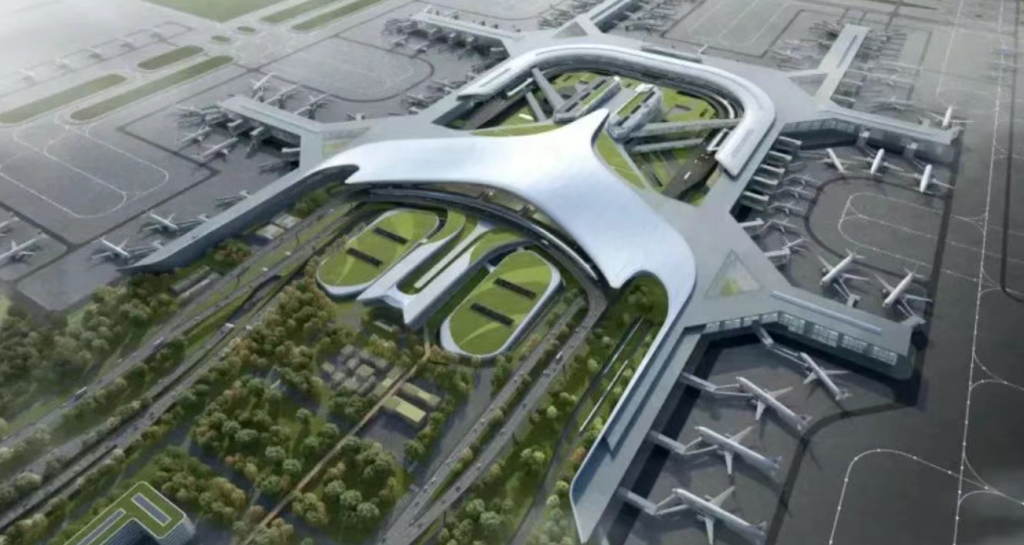
Exact Location & Nearby Areas
The airport sits in a strategic position:
- 25 km northeast of downtown Suzhou
- 50 km northwest of Shanghai Hongqiao Airport (SHA)
- Adjacent to major highways (G2 Beijing-Shanghai Expressway, S48 Shanghai-Wuxi Expressway)
This location offers convenient access to:
✔ Suzhou Industrial Park (30-minute drive)
✔ Kunshan’s manufacturing hubs (20-minute drive)
✔ Changshu’s tourist attractions (Shajiabang Scenic Area)
Pro Tip: Once operational, the airport will likely spur development in nearby areas—investors should keep an eye on Bacheng and Shajiabang real estate.
Planned Transportation Options
1. Public Transportation (Future Projections)
While no direct routes are confirmed yet, Suzhou’s transport bureau has hinted at:
- Dedicated Airport Express Buses to:
- Suzhou Railway Station (main hub)
- Suzhou North Station (high-speed rail)
- Key districts (Industrial Park, New District)
- Possible Metro Extension: Line 10 or S1 might connect to the airport by 2030.
In my experience, Chinese airports usually integrate well with public transit—I expect Suzhou to follow this model.
2. Driving Directions
From major cities:
- Downtown Suzhou → G2 Expressway → S48 → Airport (≈40 mins)
- Shanghai → G2/S26 → S48 → Airport (≈1 hour)
- Wuxi → S19/S58 → Airport (≈50 mins)
Personal Recommendation: Use Amap or Baidu Maps for real-time traffic updates.
3. Taxi & Ride-Hailing Services
Expect Didi (China’s Uber) and traditional taxis to operate at:
- Designated pick-up/drop-off zones
- Fixed fares to downtown (estimated ¥150-200)
Insider Tip: Avoid unlicensed cabs—always use official taxi stands or apps.
4. Airport Shuttle Buses
Planned routes may include:
- Industrial Park Loop (via Moon Harbor, SIP Administration)
- Gusu District Line (linking Humble Administrator’s Garden, Pingjiang Road)
- Intercity Services to Wuxi, Changzhou
Based on other Chinese airports, shuttle fares should range ¥20-50 per trip.
Why This Airport Matters for Travelers
- Business Convenience
- Faster access to Suzhou’s economic zones (no more 2-hour drives to PVG!)
- Expected corporate jet services for executives
- Tourism Boost
- Easier visits to classical gardens and water towns
- Potential international charter flights (e.g., Southeast Asia routes)
- Logistics Efficiency
- Improved cargo handling for e-commerce and high-tech manufacturers
From a traveler’s perspective, this airport could cut door-to-airport time by 60% compared to PVG.
Temporary Alternatives (Until Opening)
While waiting for the airport’s completion (estimated 2026-2028), use:
✈ Shanghai Hongqiao (SHA) – Best for domestic flights (45 mins by bullet train)
✈ Sunan Shuofang (WUX) – Closest current option (1-hour drive)
✈ Shanghai Pudong (PVG) – For international routes (2-hour drive + Maglev)
I personally prefer SHA for its seamless high-speed rail link to Suzhou Station (25 mins).
Future Developments to Watch
- Phase 2 Expansion (potential international terminal)
- Aerotropolis Plans (hotels, convention centers)
- Helicopter Tours to Zhouzhuang/Tongli water towns
Industry insiders suggest the airport may initially focus on general aviation before expanding to commercial flights.
Conclusion: A Game-Changer for Suzhou
Once operational, Suzhou General Airport will:
✔ Reduce reliance on Shanghai airports
✔ Enhance regional connectivity
✔ Boost tourism and business investment
Travel Tip: Bookmark this page—we’ll update it as more transport details emerge!
Have questions? Drop them below, and I’ll share my latest intel on Suzhou’s aviation developments.