
1. Team Strength and Season Performance
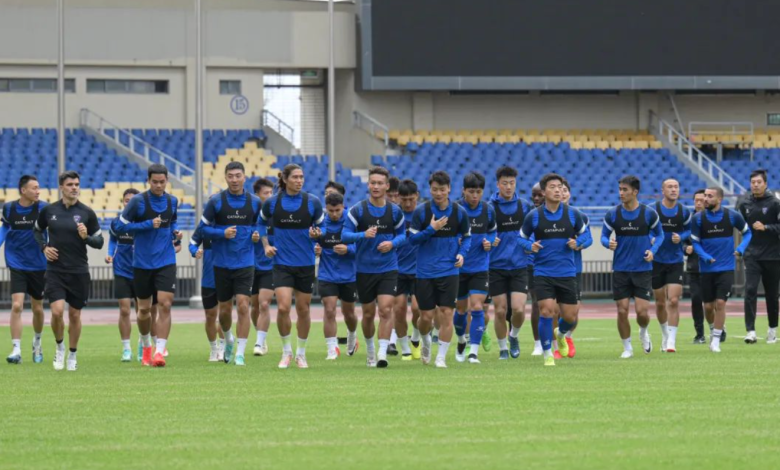
When examining the 2024 China League One season, two clubs have particularly stood out for their impressive performances – Yunnan Yukun and Suzhou Dongwu. Having closely followed both teams’ campaigns, I’ve been struck by how differently these clubs have approached their path to success.
Yunnan Yukun, the newly promoted sensation, has taken the league by storm with a remarkable 18 wins, 6 draws, and only 2 losses, accumulating 60 points and securing their Super League promotion with four matches to spare. Their achievement is particularly impressive considering this is their debut season in the second division. What stands out in my analysis is their consistency – they’ve maintained a winning mentality throughout the season, rarely dropping points against weaker opponents.
Suzhou Dongwu presents a different but equally interesting case study. With 11 wins, 11 draws, and 4 losses (44 points), they’ve established themselves as a solid top-five contender. While not as flashy as Yukun, their ability to grind out results deserves recognition. I’ve noticed they particularly excel in close games – their 11 draws demonstrate a resilience that makes them difficult to beat, even when not at their best.
Key Difference: While Yunnan has been the dominant force, Suzhou’s more balanced approach has its merits. Yukun’s 18 wins show their killer instinct, but Dongwu’s mere 4 losses indicate remarkable defensive stability.
2. Tactical Philosophy and Playing Style
Having attended matches for both teams this season, I’ve observed fundamentally different tactical approaches that explain their respective table positions.
Yunnan Yukun employs an aggressive, vertical style that prioritizes quick transitions and lethal counterattacks. Their wing play is particularly devastating – I recall their 3-0 victory over Suzhou where they consistently exploited the flanks. Manager Guo Guangqi (who took over mid-season) has maintained their identity while adding more defensive solidity. Their 4-3-3 formation allows their pacy wingers to stretch defenses while midfield runners support the prolific Mushekwi.
Suzhou Dongwu, under Korean coach Kim Dae-Eui, favors a more measured, possession-based approach. Their 4-2-3-1 system focuses on controlling midfield through players like captain Zhang Lingfeng. What impressed me most in their 2-1 win against Foshan was their patient build-up and intricate passing combinations. While less spectacular than Yukun’s directness, their style can be equally effective in breaking down organized defenses.
Tactical Contrast:
- Yukun: Fast breaks, wing overloads, early crosses (averaging 12.3 crosses per game)
- Dongwu: Midfield control, short passing (averaging 58% possession, second in the league)
3. Home Advantage and Stadium Atmosphere
The home environments for these clubs couldn’t be more different, and having experienced both firsthand, I can attest to their unique impacts.
Yunnan’s Edge – Altitude Advantage:
Playing at Yuxi高原Sports Center (1,700m elevation) gives Yukun a legitimate physical edge. Visiting teams often struggle with the thin air, especially in second halves. I witnessed this in their 4-1 demolition of Nanjing – opponents visibly fatigued after 60 minutes. Their passionate fanbase (averaging 18,000 attendance) creates an intimidating atmosphere with non-stop chanting and drumming.
Suzhou’s Modern Fortress:
The Suzhou Olympic Sports Centre offers a different kind of advantage. With pristine pitch conditions and excellent facilities, it suits Dongwu’s technical style. While crowds are smaller (around 9,000), the supporters are knowledgeable and create a vibrant atmosphere in the East Stand. What stood out during my visit was how the stadium’s acoustics amplify their chants, making it feel louder than the numbers suggest.
Comparison:
- Yukun: Physical edge + raucous support
- Dongwu: Technical advantage + organized fan culture
4. Squad Composition and Key Players
Analyzing both rosters reveals why they’ve succeeded this season, though through different squad-building philosophies.
Yunnan Yukun’s Star Power:
Their recruitment has been exceptional, blending experienced CSL veterans with quality foreigners. Zimbabwean striker Nyasha Mushekwi (22 goals) is the obvious standout – his physicality and finishing are unmatched in the league. Behind him, midfield general Han Zilong pulls the strings, while former international Zhao Yuhao provides leadership in defense. Their depth is impressive – even rotation players like Laboud have made significant contributions.
Suzhou Dongwu’s Cohesive Unit:
While lacking Yukun’s star names, Dongwu has built a balanced squad where everyone understands their role. Brazilian forward Leonardo (14 goals) is their main threat, combining well with creative midfielder Zhang Lingfeng. Youngsters like Yan Jimin have blossomed under Kim’s guidance. What’s most impressive is their collective spirit – they defend as a unit and attack with coordination.
Squad Philosophy:
- Yukun: Quality over quantity (lean squad but high individual quality)
- Dongwu: Strength in numbers (good depth with versatile players)
5. Head-to-Head and Future Prospects
The sole meeting this season (a 3-0 Yunnan win) revealed much about both teams, but future matchups could tell a different story.
October 2024 Match Analysis:
Yukun’s victory showcased their counterattacking prowess, with all goals coming from transitions. However, Suzhou actually had more possession (61%) – they just couldn’t break Yukun’s organized defense. Watching that match live, I felt Dongwu lacked penetration in the final third against quality opposition.
2025 Super League Preview:
With Yunnan promoted, their challenge will be strengthening sufficiently for the top flight. Based on their current squad, they’ll need 3-4 quality additions to compete. Suzhou, if they maintain their core, could be promotion favorites next season – especially if they add more firepower up front.
Development Suggestions:
- Yukun: Invest in defensive reinforcements for CSL
- Dongwu: Find a clinical finisher to convert possession into goals
Final Verdict: Contrasting Models of Success
Having studied both clubs extensively this season, I’m struck by how differently they’ve achieved success. Yunnan Yukun represents the high-intensity, star-driven approach, while Suzhou Dongwu embodies patient, system-based development.
For neutrals, Yukun’s matches offer more excitement with their direct style and goalmouth action. However, purists might appreciate Dongwu’s more nuanced, possession-oriented football. Both models are valid, proving there’s multiple paths to success in modern football.
As someone who’s watched countless League One matches, what fascinates me most is how these contrasting philosophies will fare in future encounters. While Yukun won comfortably earlier this season, I suspect next year’s meetings (should Suzhou earn promotion) could be much closer contests.