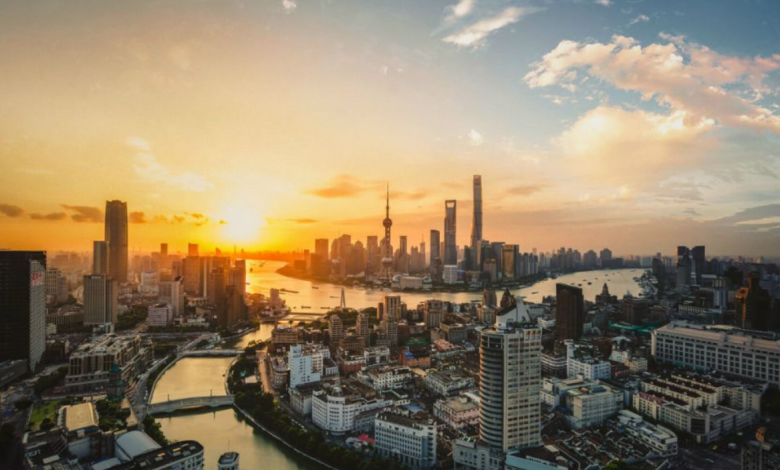
Introduction: The Soul of Shanghai Beyond the Huangpu
While the Huangpu River dazzles with neon lights, Suzhou Creek (苏州河) holds Shanghai’s true historical heartbeat. Winding through the city for 125km, this waterway witnessed:
✔ Foreign concessions’ colonial expansion
✔ Industrial revolution in early 20th century
✔ Heroic WWII resistance stories
Having led cultural walks here since 2018, I’ve discovered its layers—where Art Deco buildings whisper tales of Jewish refugees, and rustic bridges bear bullet scars from the 1937 Battle of Shanghai.
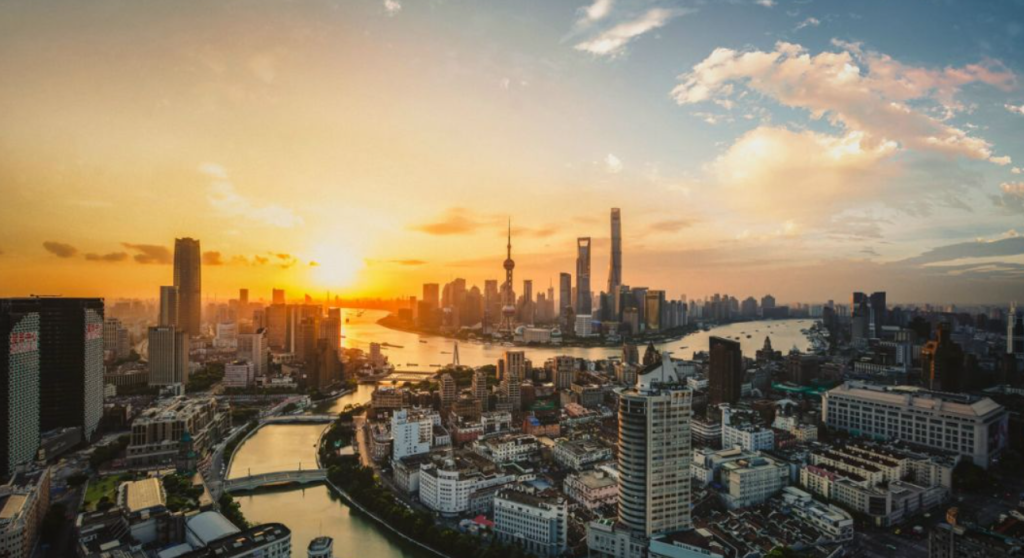
Why “Suzhou” Creek? The Naming Mystery
The creek was originally called Wusong River (吴淞江) until 1843’s Treaty of Nanjing. British traders, noting its connection to silk-producing Suzhou, renamed it. This reflected:
- Commercial importance: Tea/silk transport to Shanghai port
- Geopolitical divide: Separated International Settlement (south) from Chinese territory (north)
Fun fact: Locals still call it “Mother River”—it supplied drinking water until 1920s pollution.
Bridges as Time Machines: 4 Must-See Crossings
1. Zhejiang Road Bridge (1880)
Shanghai’s only surviving steel-arched swing bridge. Notice:
🔹 Gothic-style watchtowers (used by toll collectors)
🔹 Wear patterns from 1949 Liberation Army tanks
2. Tibet Road Bridge (1948)
The first reinforced concrete bridge, marking:
✔ Former boundary between British/Chinese zones
✔ Site of 1937’s “Bloody Saturday” Japanese bombing
3. Waibaidu Bridge (1907)
China’s oldest all-steel bridge features:
- Victorian lampposts from original gaslights
- “Lovers’ locks” tradition (since 1920s)
Photography tip: Shoot at blue hour for golden reflections.
Architectural Icons Along the Banks
Sihang Warehouse (1935)
This 6-story Art Deco fortress became legendary during the 1937 Defense of Shanghai, where:
☑ 452 Chinese soldiers held off 10,000+ Japanese troops for 4 days
☑ Bullet holes still visible on west facade
Inside: The 800 Heroes Museum (free entry) displays soldiers’ farewell letters.
Shanghai Post Office (1924)
A Baroque-Classical hybrid masterpiece with:
✔ Hermes statues (predecessor to “Hermès” brand)
✔ Original marble counters where Lu Xun mailed manuscripts
Don’t miss: The 2nd-floor museum with 1930s airmail planes.
Harbin Apartments (1933)
Once Shanghai’s largest luxury complex, housing:
🎬 MGM Studios’ China HQ
🏊 Rooftop pool (now drained but intact)
Hidden gem: The courtyard’s pebble mosaics depict 1930s Hollywood stars.
Industrial Heritage: Flour Mills & Textile Empires
Fuxin Flour Mill (1913)
Founded by Rong Brothers (China’s “Flour Kings”), this:
⚙️ Imported American milling machines in 1915
🍞 Produced 30% of China’s flour by 1920
Today: Converted into M50 Art District—graffiti covers old silos.
Ewo Cotton Mill (1895)
A British-built red-brick factory that:
🧵 Hired child laborers (documented in 1926 strikes)
💡 Pioneered night shifts with electric lights
Current use: High-end design studios.
Evening Stroll Itinerary (My Personal Favorite)
Start at 5PM for perfect light:
- 4:30PM: Sihang Warehouse sunset views
- 5:30PM: Coffee at %Arabica (Post Office view)
- 6:45PM: Night photos at Waibaidu Bridge
- 8:00PM: Craft beers at BrewDog (Harbin Apartments)
Pro tip: Weekdays avoid tourist crowds.
Why This Walk Matters
Unlike Bund’s glamour, Suzhou Creek reveals:
✔ Working-class struggles in factory tenements
✔ Forgotten war memorials
✔ Adaptive reuse of industrial relics
As a historian, I believe understanding this creek is key to decoding Shanghai’s true identity—a city built on resilience.
Want to explore deeper? Join our weekly guided walks (DM for details).
“The river remembers what the city forgets.” — Local proverb