Suzhou has long been recognized as one of China’s most dynamic industrial cities. Known for its world-class industrial parks, strong electronics ecosystem, and thriving semiconductor supply chains, it has become a magnet for global technology companies. But behind the scenes, a crucial enabler of this ecosystem is the network of CNC factories in Suzhou, producing high-precision parts that power everything from smartphones to chip-making equipment.
As someone who follows both the electronics and manufacturing industries, I believe Suzhou’s CNC machining capacity is an underappreciated yet critical driver of the city’s—and indeed China’s—global competitiveness.
Why Suzhou Matters in Electronics and Semiconductors
Suzhou’s Industrial Park (SIP) and surrounding clusters have attracted multinational giants such as Samsung, Bosch, and SK Hynix, alongside Chinese leaders in semiconductors and electronics assembly. These industries demand tight tolerances, high repeatability, and materials expertise, whether for semiconductor lithography machines, PCB assembly lines, or consumer electronics housings.
Unlike traditional manufacturing hubs, Suzhou has differentiated itself by building a complete ecosystem: R&D, production, logistics, and supply chain services all within one region. CNC machining plays a central role here, ensuring precision parts flow seamlessly into high-tech products.
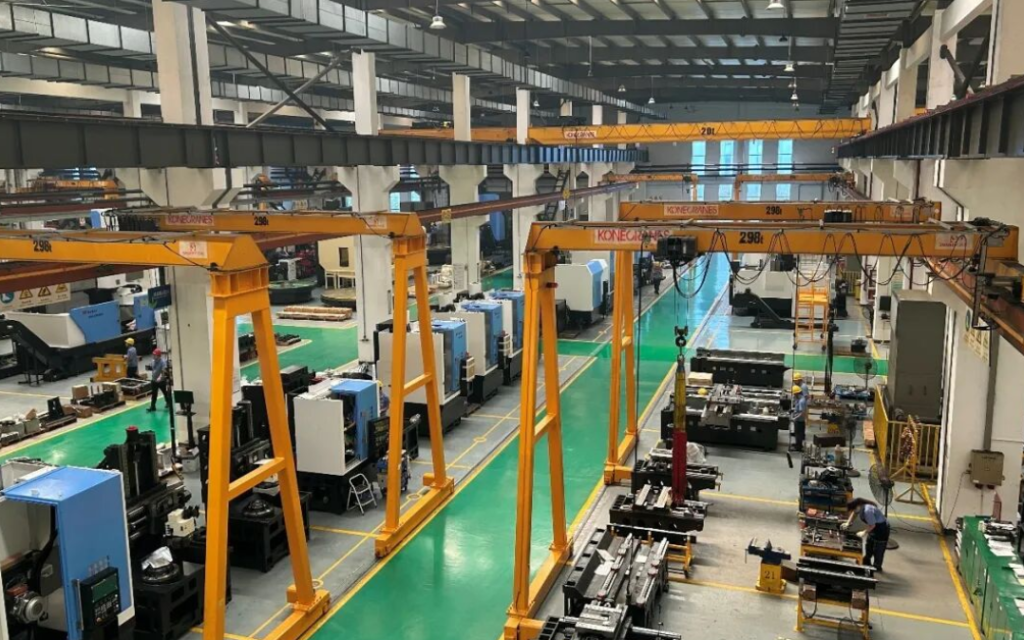
CNC Machining: The Backbone of Precision Components
Electronics and semiconductors require components that are not only small but also highly reliable. For example:
- Metal housings for smartphones and wearables
- Precision jigs and fixtures used in semiconductor fabrication
- Plastic enclosures for consumer electronics
- Heat sinks and cooling components for data centers and chip systems
Suzhou’s CNC factories specialize in delivering these through advanced CNC machining techniques. The ability to handle both metals (aluminum, titanium, stainless steel) and high-grade plastics ensures flexibility for electronics and semiconductor applications.
The Role of 5-Axis CNC Machining
As components become more compact and geometrically complex, 5-axis CNC machining has become essential. In Suzhou, many factories have invested in this technology, enabling them to machine intricate parts in a single setup with greater accuracy and efficiency.
For semiconductor equipment, where tolerances may be within microns, 5-axis machining allows the production of:
- Complex nozzles for chip fabrication tools
- Miniaturized cooling channels for advanced processors
- Precision molds for plastic components used in electronics
From my perspective, this capability is what sets Suzhou apart from other manufacturing hubs—it blends scale with high-end machining expertise.
Industry Trends Supporting Suzhou’s CNC Growth
- Semiconductor Expansion
With governments worldwide pushing for semiconductor independence, Suzhou has attracted new fabs and assembly plants. This directly boosts demand for precision machined parts. - Miniaturization in Electronics
As consumer electronics shrink in size yet grow in functionality, CNC parts must be lighter, thinner, and more precise. Suzhou factories are adapting quickly. - Green Manufacturing
Sustainability pressures are pushing CNC shops to adopt energy-efficient machines and waste recycling, aligning with global buyers’ ESG requirements.
These trends confirm Suzhou’s status as not just a manufacturing base, but a future-ready ecosystem.
Personal Perspective: Visiting a Suzhou CNC Factory
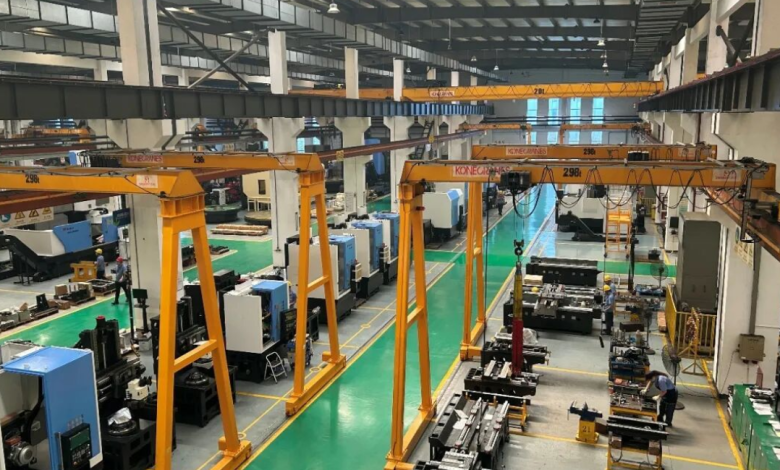
On a recent visit to a CNC workshop in Suzhou’s High-Tech Zone, I was struck by the balance between traditional craftsmanship and cutting-edge automation. Rows of advanced 5-axis machines worked alongside skilled technicians fine-tuning prototypes for an electronics client.
The factory manager explained that their biggest growth area was in semiconductor tooling—precision fixtures and housings needed by fabs setting up in the Yangtze River Delta. “Our clients want both speed and reliability,” he said. “That’s what keeps us competitive.”
For me, this highlighted how Suzhou’s CNC industry is deeply integrated into global electronics and semiconductor supply chains.
Challenges and Opportunities
While Suzhou’s CNC sector is thriving, challenges remain:
- Global competition: Other hubs like Taiwan and South Korea remain strong in semiconductor supply chains.
- Rising costs: Labor and energy costs in Suzhou are increasing, pushing factories to invest more in automation.
- IP protection: With global electronics firms relying on local CNC shops, ensuring data and design security is paramount.
Still, these challenges are offset by opportunities. Suzhou’s integration with Shanghai and the Greater Bay Area ensures continued growth, while its strong government support for semiconductors guarantees long-term demand.
Final Thoughts
Suzhou’s CNC factories may not grab headlines like chipmakers or electronics brands, but they form the quiet backbone of precision manufacturing. From high-precision semiconductor fixtures to sleek smartphone housings, these factories ensure that designs become reality at scale.
For global buyers, Suzhou represents a unique combination of scale, speed, and advanced capabilities. Trusted providers like Samshion Rapid make it easier than ever to access these services, bridging the gap between international demand and local expertise.
In my view, Suzhou is not just a support player—it is an indispensable partner in the global electronics and semiconductor supply chain.